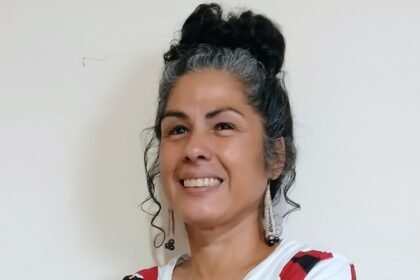


Rachel Chin didn’t set out to change how the world sees Caribbean food. She just wanted to cook the way her grandmother taught her, minus the meat.
- Being in the kitchen with these women will always be an integral part of who I am and what I do, she says. I wasn’t just learning how to cook at a young age but also how to be self-sufficient.
- [Additional Read: Nourish to Flourish: Food, Wine and Fête, a Culinary Journey Uniting The Diaspora ]
- The Dish That Changes Minds
- They have the smoky, spicy flavours people expect from Caribbean cuisine while offering a completely different experience from meat, she explains. Those dishes often become the gateway that changes someone’s perception of vegan food.
- People often say, ‘Wait, this is vegan?’ and that’s one of my favourite moments. Once they taste the food, the conversation shifts from what isn’t in the dish to how good it actually tastes.
- Reclaiming What Was Always Ours
- Before there was veganism or vegetarianism, there was Ital, she says. The Rastafarians of Jamaica and the wider Caribbean were embracing a natural, plant-based way of life long before it became a mainstream trend. They carried that banner with pride, rooted not in fashion, but in spirituality, health and a deep connection to the earth.
- Greenhaus isn’t introducing something new. It’s helping us reconnect with what has always been ours. In many ways, it’s about taking colonialism off our plates and reclaiming a healthier future through the wisdom of our past.
- The Soul Was Never in the Meat
- I never approached it as replacing Caribbean food. I approached it as celebrating it, she says. Much of the meat that entered our food culture began as scraps and undesirable cuts given to our ancestors. Through resilience, adaptation and incredible creativity, they transformed those limited ingredients into dishes that became cultural staples.
- The soul of our food has always been found in the seasoning, the traditions and the ingenuity behind it, Chin adds. When people taste a well-seasoned jerk oyster mushroom or a rich plant-based stew peas, they quickly realise that the soul of the food is still there.
- Food as Medicine, Meals as Education
- I view food as wellness and education as empowerment, she says. My goal is to help our community reconnect with nourishing foods that are both culturally familiar and health-supportive, so they can improve their quality of life and maintain their independence for as long as possible.
- Supporting gut health and hormones doesn’t have to mean turning to expensive supplements or unfamiliar foods. Many of the ingredients already found in Caribbean kitchens can do the job.
- Reading the Almanac
- Before we reap the benefits of our labour, there is a sacred connection between the land and the food that ultimately finds its way to our plates, Chin recalls.
- Sustainability isn’t just an environmental issue. It’s a cultural one as well.
- A Future With More at the Table
- Greenhaus is about more than food, she says. It’s about community, culture, wellness and food sovereignty. It’s about showing that we can honour our heritage while creating healthier futures for ourselves and the next generation. Every meal is an invitation to reconnect with our roots, with each other and with the possibilities of what Caribbean cuisine can become.
Born and raised in Westmoreland, Jamaica, the Toronto-based chef and founder learned early that food was never just food. In a household run by strong women, cooking was survival, culture and love, all in one pot. Now she’s proving that plant-based cooking isn’t a departure from Caribbean tradition. It’s a return to it.
Being in the kitchen with these women will always be an integral part of who I am and what I do, she says. I wasn’t just learning how to cook at a young age but also how to be self-sufficient.
Those early years in her grandmother’s garden planted something that would eventually grow into Greenhaus Vegan Catering, a Toronto-based company that is quietly reshaping how the Caribbean diaspora thinks about food, health and heritage.
[Additional Read: Nourish to Flourish: Food, Wine and Fête, a Culinary Journey Uniting The Diaspora ]
The Dish That Changes Minds
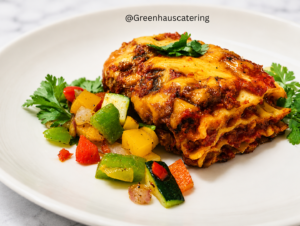
Ask Chin which item on her menu converts the sceptics, and she answers without hesitation. The Curry “Goat,” the Jerk Oyster Mushroom Bowl served with well-seasoned rice and peas, fresh plantain and ripe avocado, and a mac and cheese that has earned its own reputation.
They have the smoky, spicy flavours people expect from Caribbean cuisine while offering a completely different experience from meat, she explains. Those dishes often become the gateway that changes someone’s perception of vegan food.
The most rewarding moment, she says, is the pause after the first bite.
People often say, ‘Wait, this is vegan?’ and that’s one of my favourite moments. Once they taste the food, the conversation shifts from what isn’t in the dish to how good it actually tastes.
That shift is exactly what Chin is after, not applause for pulling off a trick, but genuine reconsideration.
Reclaiming What Was Always Ours
One of the most persistent myths Chin pushes back against is the idea that plant-based eating is foreign to Caribbean culture. To her, that narrative gets the history exactly backward.
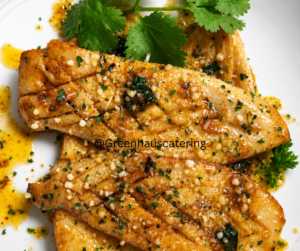
Before there was veganism or vegetarianism, there was Ital, she says. The Rastafarians of Jamaica and the wider Caribbean were embracing a natural, plant-based way of life long before it became a mainstream trend. They carried that banner with pride, rooted not in fashion, but in spirituality, health and a deep connection to the earth.
She points out that many of the ingredients now being celebrated by wellness influencers, ground provisions, callaloo, breadfruit, ackee, coconut and fresh herbs, have sustained Caribbean communities for generations. Colonial influence, she argues, is what pulled many families away from those foods in the first place.
Greenhaus isn’t introducing something new. It’s helping us reconnect with what has always been ours. In many ways, it’s about taking colonialism off our plates and reclaiming a healthier future through the wisdom of our past.
That perspective reframes the entire conversation. Plant-based Caribbean cuisine is not an imitation of something else. It is a return.
View this post on Instagram
The Soul Was Never in the Meat
When Greenhaus first launched, Chin was aware of the friction she would face. Caribbean food is identity. It is celebration and mourning and Sunday afternoons and diaspora longing all folded into the same plate. Telling someone their beloved dish could be reimagined without meat is, for many people, not a culinary suggestion but a cultural challenge.
Chin approached it carefully and, most importantly, honestly.
I never approached it as replacing Caribbean food. I approached it as celebrating it, she says. Much of the meat that entered our food culture began as scraps and undesirable cuts given to our ancestors. Through resilience, adaptation and incredible creativity, they transformed those limited ingredients into dishes that became cultural staples.
The implications of that history are significant. If Caribbean cuisine was built on the ingenuity of people making something extraordinary from very little, then creativity has always been its true foundation.
The soul of our food has always been found in the seasoning, the traditions and the ingenuity behind it, Chin adds. When people taste a well-seasoned jerk oyster mushroom or a rich plant-based stew peas, they quickly realise that the soul of the food is still there.
Food as Medicine, Meals as Education
Beyond the flavours, Chin is driven by something more urgent. Chronic illness rates, including diabetes, hypertension and heart disease, continue to disproportionately affect Caribbean communities across the diaspora. She sees that reality every day and has built a response into the DNA of Greenhaus.
Through senior cooking classes and community wellness workshops, she works to translate plant-based principles into practical, culturally familiar tools.
I view food as wellness and education as empowerment, she says. My goal is to help our community reconnect with nourishing foods that are both culturally familiar and health-supportive, so they can improve their quality of life and maintain their independence for as long as possible.
For women navigating gut health, hormone balance and overall well-being, she points directly to the Caribbean pantry: callaloo, okra, sweet potatoes, gungo peas, ginger, cerasee, soursop leaf, fever grass, turmeric and coconut cream yogurt.
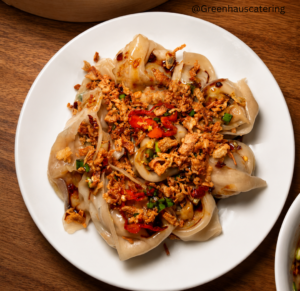
The tools, she insists, are already there.
Supporting gut health and hormones doesn’t have to mean turning to expensive supplements or unfamiliar foods. Many of the ingredients already found in Caribbean kitchens can do the job.
Reading the Almanac
There is a moment Chin keeps returning to in conversation, a memory of her grandmother teaching her to read an almanac, to understand cycles, seasons and the relationship between the land and what it gives back.
Before we reap the benefits of our labour, there is a sacred connection between the land and the food that ultimately finds its way to our plates, Chin recalls.
That lesson, more spiritual than practical, is woven into how she sources ingredients, how she thinks about sustainability and how she frames her mission.
As Caribbean people, she notes, environmental responsibility is not an abstract concern. Climate change has tangible, visible consequences on the islands that many in the diaspora still call home.
Sustainability isn’t just an environmental issue. It’s a cultural one as well.
A Future With More at the Table
Chin believes plant-based Caribbean cuisine is moving towards the mainstream, but she frames that future with nuance. It is not about converting everyone into vegans. It is about expanding the table.
Greenhaus is about more than food, she says. It’s about community, culture, wellness and food sovereignty. It’s about showing that we can honour our heritage while creating healthier futures for ourselves and the next generation. Every meal is an invitation to reconnect with our roots, with each other and with the possibilities of what Caribbean cuisine can become.
For a woman who learned to cook before she learned to read a calendar, who crossed an ocean as a teenager and carried her grandmother’s garden with her, that invitation feels less like a business pitch and more like something passed down.
Some things, it turns out, grow wherever you plant them.