
For Priya Ramsingh, writing “Brown Girl in the Room” began as a response to a deeply personal workplace injustice. Nearly a decade later, the Indo Trinidadian Canadian author and photographer says the book’s themes of bias, representation and resilience feel as urgent as ever.
- I honestly believed I would look back on it and say, Look how far we’ve come, Ramsingh says. I was not expecting the world to go backwards 10 years later.
- [Additonal Read: Meet Jackie Chambers de Freitas: Caribbean Woman in Tech Leadership ]
- People need to be included because of what they bring to the table, not because the colour of their skin or their religious beliefs present good optics, she says.
- Everyone has a story, she says, and in many cases, you can’t see that story right away, nor are you meant to.
- Recognize the playing field, understand the players and learn how to get to that finish line without bailing, she says. If it feels wrong, it likely is.
- Keep moving, keep looking forward, she says. Don’t try and prove yourself to someone who keeps questioning your value.
Ramsingh wrote the novel after losing a job to a white male colleague who later sought her help when he found himself overwhelmed by the role. Drawing on experiences across several workplaces, she shaped a story that confronts the gap between organizations’ public commitments to diversity and the biases that can still define daily professional life.
I honestly believed I would look back on it and say, Look how far we’ve come, Ramsingh says. I was not expecting the world to go backwards 10 years later.
As an Indo Trinidadian woman, Ramsingh has often had to explain an identity that others do not immediately understand. Born in Trinidad and raised in Canada from the early 1970s, she describes the dissonance of being questioned because she has an Indian name and South Asian features while identifying as Caribbean.
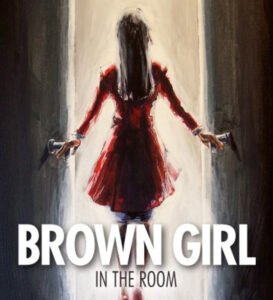
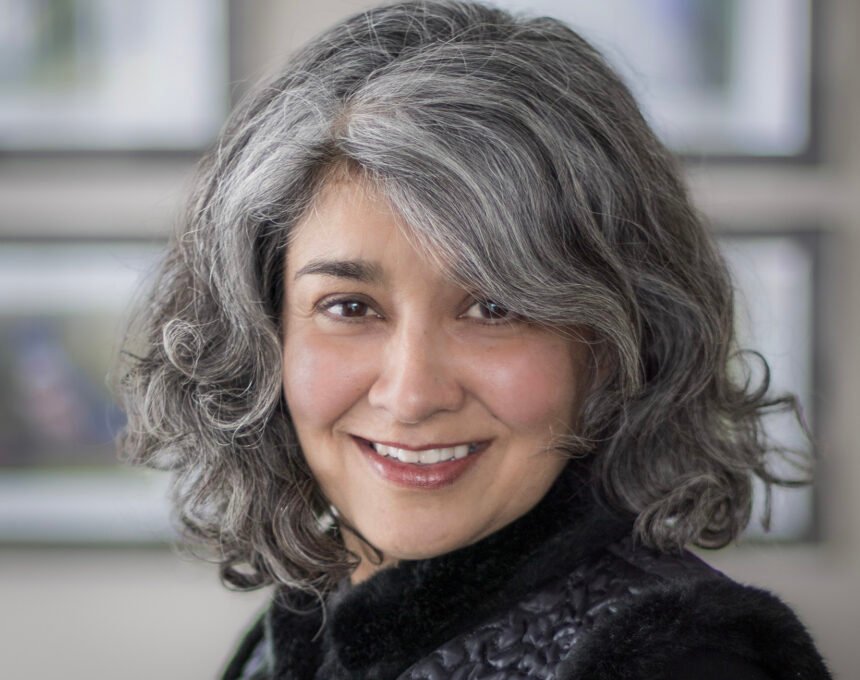
Photo courtesy of Kavita Maharaj
Her Trinidadian roots have shaped the inclusive lens she brings to her creative work. “We were brought up in a multicultural society where all religions are embraced and celebrated,” she says. That experience informs the characters she writes, who come from a range of cultural backgrounds and reflect the complexity of the communities around them.
At the heart of “Brown Girl in the Room” is a challenge to superficial ideas of representation. The novel follows Sara Ramnarine, a smart, ambitious Indo Caribbean woman beginning her career in Toronto, as she confronts workplace bias, exclusion and the pressure to prove her value in an organization that publicly promotes diversity.
[Additonal Read: Meet Jackie Chambers de Freitas: Caribbean Woman in Tech Leadership ]
Ramsingh believes meaningful inclusion is not about placing diverse faces in a photograph or meeting room for appearances. It is about recognizing the distinct insight, knowledge and lived experience people bring to a workplace, creative project or community.
People need to be included because of what they bring to the table, not because the colour of their skin or their religious beliefs present good optics, she says.
The author’s own professional experiences have included being interrupted in meetings, overlooked by colleagues and asked to take on administrative tasks despite holding senior roles. In one instance, she was pulled from preparing a report for a board of directors to laminate signs. In another, an event caterer handed an invoice to her younger, blonde intern instead of to Ramsingh, who was managing the event.
View this post on Instagram
Those moments were painful, but they also gave her material for the novel and strengthened her resolve. “Now, if people try to talk over me, I keep talking,” she says. “I sometimes call them out. The difference now is that I am no longer afraid.”
Ramsingh’s storytelling extends beyond the page. Alongside writing about diversity and marginalized communities, she has developed a photography practice that began with wildlife and has expanded into street photography and intimate community events.
She is drawn to people with what she calls a “magical energy,” but her approach is grounded in patience and consent. Ramsingh asks permission before photographing people and takes time to learn about their stories. She sees photography as a reminder that every person carries experiences that may not be visible at first glance.
View this post on Instagram
Through her encounters with women, communities and photographic subjects, she has learned to slow down, observe more closely and appreciate the impact a person’s energy can have on a room.
Everyone has a story, she says, and in many cases, you can’t see that story right away, nor are you meant to.
For young Caribbean and Indo-Caribbean women who see themselves in “Brown Girl in the Room”, Ramsingh hopes the novel offers both recognition and practical encouragement. She is clear that her goal is not to encourage a sense of victimhood, but to help readers understand the barriers they may encounter and develop the confidence to keep moving forward.
Recognize the playing field, understand the players and learn how to get to that finish line without bailing, she says. If it feels wrong, it likely is.
Her advice to her younger self is equally direct: stay focused, block out the noise and choose your circles with care. Rather than trying to prove your value to those determined to question it, Ramsingh encourages young women to continue building their own paths.
Keep moving, keep looking forward, she says. Don’t try and prove yourself to someone who keeps questioning your value.
“Brown Girl in the Room” is available through independent bookstores across North America, including Mississauga’s The Book Wardrobe, Toronto’s Another Story Bookshop and A Different Booklist, bookstores that have long supported diverse voices and communities. It is also available through Amazon and Barnes & Noble.