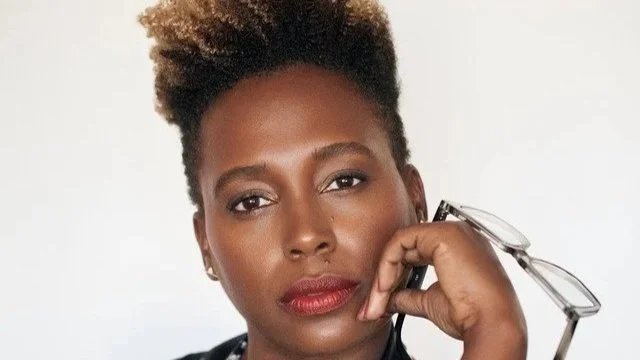

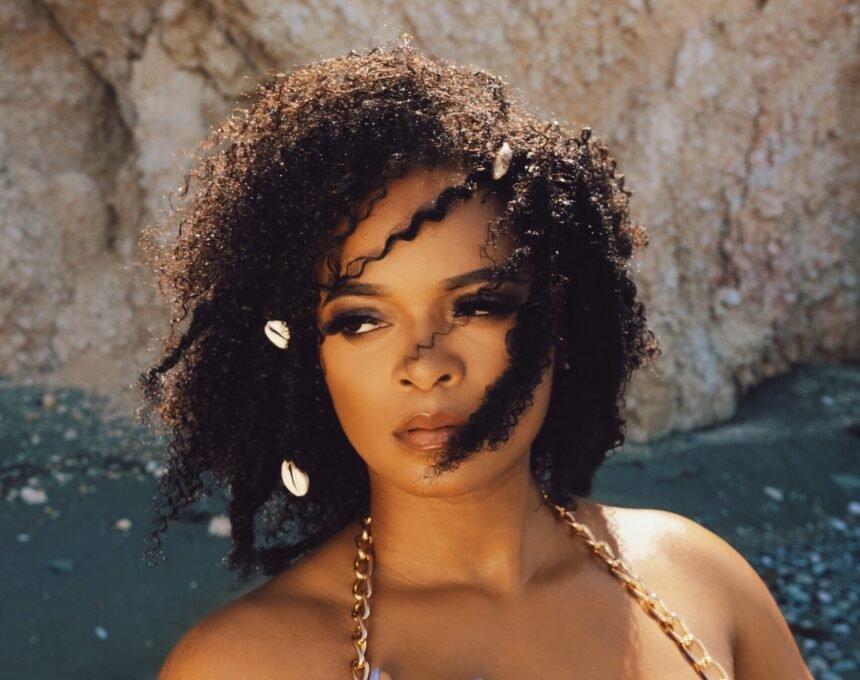
I feel like the representation of reggae internationally, is men with dreadlocks.
With this simple statement, Lila Iké shifted the energy of the room at Jamaica’s Island Music Conference. Returning from the Grammy Awards as a first-time nominee in the best reggae album category, Lila recounted how many raised eyebrows she got by introducing herself as a reggae artist at Grammy Week parties. Instead of shrinking under the misconceptions, she let them fuel her going into the ceremony:
This is what the music sounds like. This is what a reggae artist coming out of Jamaica in 2026 can look like.
Icons like Bob Marley and Peter Tosh have put reggae music on the map for decades, but the visual perception of who makes this music, Lila observed, has been codified with them over time, too. “What I represent is more of an expansion and showing people that it doesn’t stop there,” Lila told me a day after the conference wrapped.
Jamaican reggae music doesn’t always sound like the one that you hear from Bob Marley.
Commanding the stage at Lost In Time Festival the same weekend as the conference in her first full-length set, Lila gave a performance of expansion in action. The “All Over The World” singer rocked her hair in blue braided hearts and flexed with multiple outfit changes – navy blue leather cargo pants, pitch black shades, a cutout tie-dye bodysuit and cropped fur jacket. The roar of the crowd at her set made it clear; Lila’s ascent is the bridge between reggae’s history and a modern, female-led, multifaceted future.
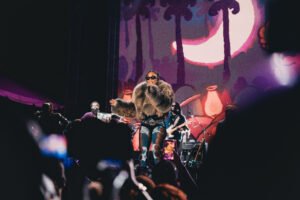
Photo courtesy of himagesphoto
[Additional Read: Shenseea, Vybz Kartel & Bad Bunny Shine at Caribbean Music Awards 2025]
Lila didn’t start out this way, though. Born and raised in the mountains of Christiana, Manchester, the 32-year-old was first signed to Proteje’s In.Digg.Nation Collective label in 2017.
“I remember when I had to find myself,” she admitted. Being mentored by greats like Proteje and Jah9, “I began to think that, ‘Oh, I guess I need to have locks’ or, ‘Oh, I guess I need to wear all of these things and speak like this.’”
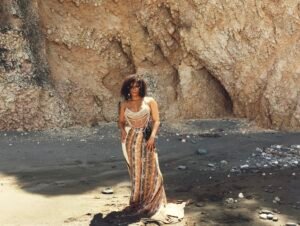
It was 2018, when Lila toured with her labelmate Sevana, that she realized in order to have confidence that would connect with audiences, she had to show up as her genuine self, not the expected image of a reggae star:
She’s like, ‘It’s OK to respect the platform that you get from someone and still be yourself.
Years of honing this unshakeable sense of self are what led her to the debut album “Treasure Self Love,” an 11-track offering of reggae, R&B and rap that was recognized by the Recording Academy. The album treats self-love as a serious practice, not a passing trend. It includes hard lessons learned, from letting go of people-pleasing (“Scatter”) to accepting her bipolar diagnosis (“Serious”) and inspiring new conversations around mental health beyond the resting laurels of walking in faith.
“What I had to unlearn was me thinking that a lot of things were normal, like not sleeping,” Lila said. “With bipolarity, it’s literally the poles. It’s either you’re super excited about something or you’re just not for it. And so, it’s striking that balance and understanding of self. That balance means taking extra steps like quitting smoking, drinking and removing anything from my life that triggers or gets me to that space.“
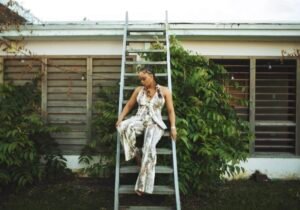
A true mark of any great expansion is the space one person creates for others. Besides Lila’s In.Digg.Nation Collective mates Sevana and Jaz Elise, Koffee’s historic 2020 Grammy win — the first ever for a woman in the Best Reggae Album category — helped crack open the door. Lila’s stardom is kicking it wider. Now, there’s a groundswell of women breaking through in contemporary reggae. Artists like Joby Jay, Zhayna, Khalia and Sobah are gaining streams and stage time, proof that an update to the deeply-rooted genre is starting to take hold.
“She has that unique perspective on my specific situation,” said Sobah, a 25-year-old artist currently riding the buzz from her track “10 Fry Dumplin.” She sees herself reflected in Lila’s rise. “She’s coming from the same place I’m coming from — like, ‘Am I good enough? Am I worthy?’ And she took that and flipped it into this incredible moment for women in reggae.”

Sobah first met Lila back in 2024 at The Compound, a Kingston-area studio. As the daughter of reggae vocalist Lymie Murray, Sobah grew up around music and gets career advice from men all the time – “You know, men always have something to say” – but she made a point to seek out Lila at the conference because of their closeness in age and their positioning as women in the business:
Women have extremely different experiences in this industry than men. We have to navigate a lot more than men do, especially when it even comes to interacting with men in the industry…It’s definitely more tedious to make a name for yourself in the industry. It’s a lot more difficult to make it in music, making clean, conscious music.

Standing on giants like Rita Marley, Judy Mowatt or Marcia Griffiths, the new generation of women in reggae mix empowering principles of the genre with updated aesthetics and topics true to them. Sobah is gearing up to drop her own EP before the end of the year and feels encouraged by how Lila’s spotlight is shining on other women coming after her.
Modern reggae, it’s skewing a lot towards the dancehall side, Sobah shared. But we’re setting a different tone, I suppose, for reggae going forward.
Though Lila didn’t win her gramophone this year – Keznamdi took home the honor of best reggae album – she made friends on the red carpet that could turn into collaborators.
Meeting Ari Lennox, we hit it off right away, you know? We became like good likkle buddies, Lila laughed. She actually told me that her exterminator at her house, he’s a Jamaican and he’s always talking about me to her, it was a full circle moment. And so we’re actually talking about, ‘Yo, we need to do something really cool.
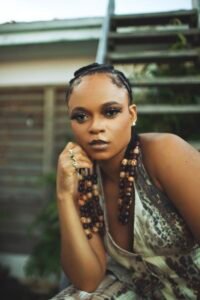
And Lila knows her presence at the ceremony was a sign of more to come.
Sometimes the ‘being a woman’ of it, she thought, I don’t know how to feel about it, because I don’t want to separate the achievement as per gender… But I understand being a female there among all of my peers, the males that were there with me, I understood my role, which is why I went so hard with the performance and the outfits and dressing up. I wanted that little girl that’s sitting at home watching, saying, ‘Oh my God. You know, I have someone to represent me, too.
To learn more about Lila’s work click here.
Guest Writer: Sidney Madden is an award-winning reporter, host, producer and culture critic of Jamaican descent who specializes in Black music and sociopolitical shift. Her byline can be found at NPR, XXL Magazine, Nylon Magazine, EBONY Magazine, NBC, BBC and more. Sidney has been recognized by The Webby Awards, The American Bar Association, and, most importantly, by music fans who feel challenged and championed by her work.
To learn more about Lila’s journey click here.