
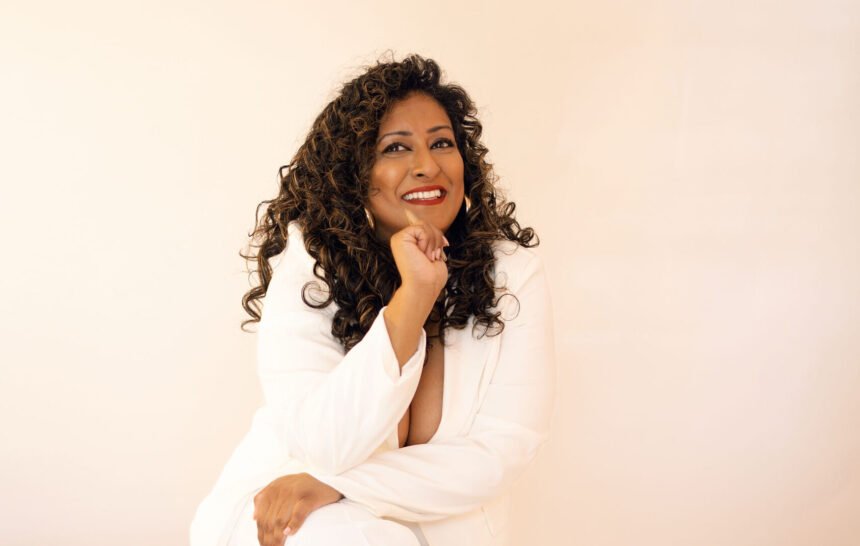
Shabana Lall grew up in Central Florida explaining where Guyana was on the map. Now she writes children’s books to help her own kids see their culture on the page.
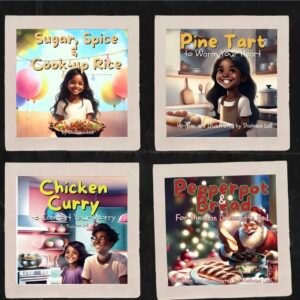
Lall is a Guyanese American author who has self-published four books for children ages 5 to 8. The stories center on the foods, families and memories that shaped her childhood. Her goal is simple: Help Guyanese and Caribbean children find their culture on the page and give other children a window into it.
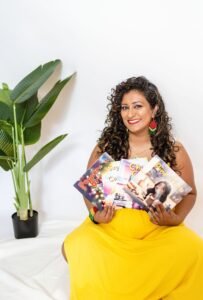
Lall’s children are at the heart of the books. Her way of preserving Guyanese culture has always been cooking, she says, and she spends much of her time in the kitchen with them, cooking and baking.
Food is such a huge part of Guyanese culture, she says. It’s how we gather, how we celebrate, how we show love, and how so many of our childhood memories are created.
That kitchen time sparked the idea. She turned the foods and memories that mattered most to her into stories her children and other Guyanese and Caribbean children could grow up with. Pepperpot and bread, cook-up rice and pine tarts are more than dishes, she says. They bring back memories, bring families together and make Guyanese people light up.
Lall’s perspective on her heritage changed over time. As a child in Central Florida, she often had to explain where Guyana was, what language Guyanese people spoke and what it meant to be Guyanese. It could be frustrating.
As I got older, I began to appreciate just how unique and beautiful our culture is she says. The things that once made her feel she had to explain herself became the things she wanted to celebrate.
Her books grew from that shift. In her words, they turn I have to explain who we are into Let me show you who we are.
Children ages 5 to 8 have a natural desire to feel included, Lall says. Many cultures have plenty of books in which children can see themselves, but options for Guyanese and Caribbean children are far more limited, she says.
Additional Read: Phoenixx Rocks: The Brooklyn-Born, Jamaican American Artist Making Music With Purpose ]
She wants her readers to feel proud and represented. She also wants them to share their culture with others and feel encouraged to read more. When children recognize the food, the traditions or even something their grandmother says, she has seen them become curious about what happens next.
Her stories also work beyond the diaspora. “A child doesn’t have to be Guyanese or Caribbean to connect with a story about family, food, or growing up,” she says. The emotions behind a kitchen scene, a grandparent’s story or a favorite meal are universal: love, comfort, nostalgia and togetherness.
Self-publishing has brought two main hurdles: illustrations and marketing. Lall often has a specific picture in her mind, and getting it onto the page takes work. “I’m not just illustrating a story. I’m illustrating our culture,” she says. The foods, kitchens, clothing and expressions all have to feel authentically Guyanese.
Marketing is hard to fit into her life. She is a mother of three with multiple jobs, along with school and family responsibilities.
The rewards outweigh the strain. She loves seeing an idea become a finished book. She loves hearing from readers who see their childhood or a piece of Guyana in it even more. Those moments make all the hard work worth it, she says.
Parents send Lall photos and videos of their children reading her books. Children have taken them to school for show-and-tell and shared them during multicultural activities. One child used a book to hold on to the memory of a loved one who had died.
A major milestone came when the books reached schools and tutoring programs in Guyana. Students there were excited to find themselves and their culture in a book. That’s when I really understood the impact these books could have, she says.
Lall hopes the books spark conversations. A child might ask, “Did you eat this when you were little?” A grandparent might start a story about growing up in Guyana. She also hopes the books give busy adults a moment to pause and remember their own childhoods.
View this post on Instagram
For teachers, she hopes the books build curiosity and a love of reading. “I want the child to discover something new, while the adult gets a moment to remember something old,” she says.
Lall believes visibility starts with Caribbean women telling their stories and not being afraid to take up space. If I wanted my children to see more of themselves in books, I had to be willing to create it, she says.
She also calls for community support. That means reading and sharing one another’s books, recommending Caribbean authors to schools and libraries, and celebrating one another’s wins. “Visibility isn’t just about seeing my name on a bookshelf,” she says. “It’s about making sure the little Caribbean girl who has a story to tell doesn’t wonder whether her story is important enough to be heard.”
Her advice to young Caribbean girls is direct: Never make yourself smaller to fit in.
Learn your family’s stories. Learn the foods. Ask your grandparents questions. Hold on to the traditions. And don’t be afraid to share them with the world, she says.
Heritage and ambition are not in conflict, she adds. You don’t have to choose between your heritage and your future. Take your culture with you wherever you go.
Explore Lall’s books on her Amazon author page and follow her on Instagram.