
Caribbean Collective Magazine sits down with the Trinidad-born designer, UNESCO Transcultura Award winner and “Carnival Catwalk” runner-up on building NCHI, redefining sustainability and why the region’s creative industries deserve real investment.
- From Her Mother’s Sewing Machine to Fashion Blogging
- Those early experiences allowed me to develop creatively through experimentation before I even fully understood that fashion could become a career, she said.
- Blogging taught me how to communicate with an audience, writing taught me how to tell stories, editing taught me how to shape narratives, styling taught me how to visually communicate ideas, and design allowed me to create those ideas myself, Chi said.
- [Additional Read: 6 Steps to Stay Steady During Life Changes: A Practical Guide to Coping with Big Transitions ]
- A UNESCO Honor That Validated Years of Work
- To have that work recognized internationally, particularly in Havana and within a Caribbean and Latin American context, reminded me that our stories and creative solutions have global relevance, she said.
- Sustainability as Economic Infrastructure, Not Just Materials
- What Reality TV and Carnival Taught Her About Performance
- You also have to understand how to communicate your vision, perform under pressure, respond to criticism and make people believe in the story behind your work, she said.
- Caribbean fashion does not need to imitate international fashion in order to be valuable, she said. We have our own visual languages, histories, aesthetics and cultural references.
- Building NCHI as a Platform for Caribbean Storytelling
- I want NCHI to demonstrate that Caribbean fashion can be innovative, contemporary, culturally grounded and globally relevant at the same time, she said, describing her goal of building a creative platform that tells Caribbean stories, celebrates individuality and sparks conversation about how society values what it wears.
- The Real Cost of Being a Caribbean Designer
- Those experiences, she said, have made her more deliberate about self-advocacy.
- Talent alone is not enough, Chi said. You have to understand your value, communicate your vision clearly, build relationships, document your achievements and be willing to create opportunities when existing structures do not provide them.
- What Caribbean Fashion Needs Next
- Being visionary is about taking ideas and turning them into tangible initiatives that challenge existing systems and create new possibilities, Chi said.
- An Open Invitation to Investors and Partners
- I would welcome the opportunity to connect, she said, extending an invitation to individuals, organizations, brands and investors interested in supporting the future of sustainable fashion in the region.
For designer Naballah Chi, fashion was never just about clothing. It started in her childhood home in Trinidad and Tobago, watching her mother, a seamstress, transform fabric into garments for occasions such as Eid, while her father, a designer and artist, filled their home with sketches. That early exposure to both the technical and artistic sides of fashion set Chi on a path that would eventually take her from fashion blogging to editing, styling, design and now to the forefront of a conversation about what sustainable fashion should mean for the Caribbean.

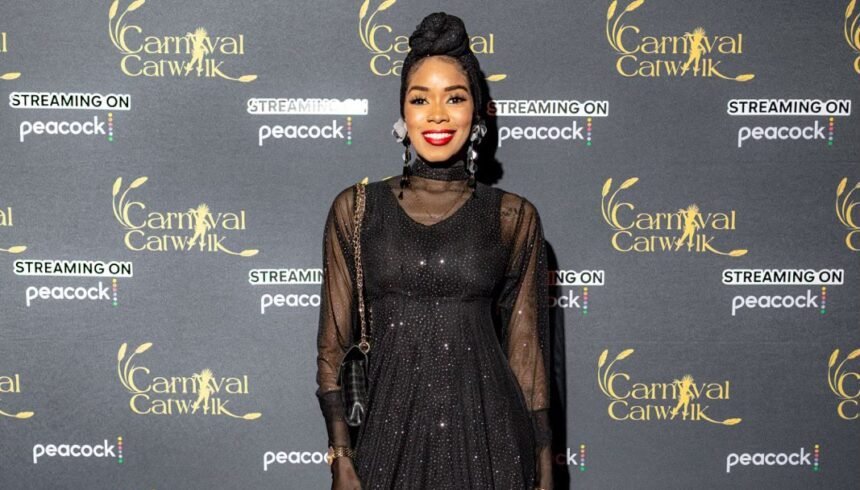
Chi’s brand, NCHI, launched in 2015, years before sustainability became a mainstream fashion conversation. Since then, her work has earned international recognition, including the Best Sustainable Fashion Collection award from UNESCO Transcultura in Havana, Cuba, and a first runner-up finish on the reality competition “Carnival Catwalk.” She has also forged a creative partnership with The Lost Tribe, a five-time award-winning Trinidad Carnival band, developing and showcasing her own original Carnival designs, including Monday Wear and Fete Wear, within the band’s Carnival experience.
Now based in the Dominican Republic, where she works in education and youth programming, Chi spoke with Caribbean Collective Magazine about her creative roots, the systemic challenges facing Caribbean designers and her vision for turning textile waste into economic infrastructure for the region.
From Her Mother’s Sewing Machine to Fashion Blogging
Chi’s earliest creative education came from watching her mother sew and experimenting on that same machine herself.
Those early experiences allowed me to develop creatively through experimentation before I even fully understood that fashion could become a career, she said.
Her father’s artwork, displayed throughout his room, added another layer to what she called a constant “visual language” in her childhood home.

That foundation eventually led her into fashion blogging, where she said she was drawn not just to clothing but to the stories, culture and identity behind what people wear. From there, her career moved through fashion writing, editing, styling and finally design, a progression she credits for giving her a well-rounded view of the industry.
Blogging taught me how to communicate with an audience, writing taught me how to tell stories, editing taught me how to shape narratives, styling taught me how to visually communicate ideas, and design allowed me to create those ideas myself, Chi said.
Today, her work sits at the intersection of fashion, art, culture, sustainability and storytelling, she said, a scope she considers inseparable from her Caribbean identity. She still calls Trinidad and Tobago home, even while living and working abroad in the Dominican Republic.
[Additional Read: 6 Steps to Stay Steady During Life Changes: A Practical Guide to Coping with Big Transitions ]
A UNESCO Honor That Validated Years of Work
Chi’s Best Sustainable Fashion Collection recognition from UNESCO Transcultura in Havana carried extra weight because it affirmed a commitment she had held since founding NCHI in 2015, long before sustainability became a dominant industry conversation.
To have that work recognized internationally, particularly in Havana and within a Caribbean and Latin American context, reminded me that our stories and creative solutions have global relevance, she said.
The award also pushed her thinking beyond individual collections, she said. Rather than treating sustainability as a matter of using eco-friendly materials for a single beautiful garment, Chi said the honor reinforced her belief that fashion needs to rethink how items are produced, consumed, discarded and valued, especially in small island developing states such as those across the Caribbean.
Sustainability as Economic Infrastructure, Not Just Materials
Asked what sustainable fashion means to her beyond fabric choices, Chi was direct: It’s about systems, not materials.
She pointed to real barriers facing the Caribbean, including waste management gaps, reliance on imports, limited manufacturing capacity and restricted access to markets.

That’s the thinking behind her growing focus on textile waste. Instead of viewing discarded textiles as garbage, Chi said she sees them as a resource that can support education, entrepreneurship, product development, employment and environmental action. It’s a reframing that positions sustainability not as a constraint on the industry but as a potential engine for economic opportunity across the region.
What Reality TV and Carnival Taught Her About Performance
Competing on “Carnival Catwalk,” where she finished as first runner-up, pushed Chi to understand design as more than technical skill.
You also have to understand how to communicate your vision, perform under pressure, respond to criticism and make people believe in the story behind your work, she said.
The experience, she added, made her more confident about taking up space and seeing herself as both designer and storyteller.
Her work with The Lost Tribe deepened that understanding of fashion as a collective act. Through the five-time award-winning Carnival band, Chi said she saw clearly that Carnival isn’t simply about costumes. It’s about identity, performance, community, history and storytelling coming together when thousands of people embody a shared creative vision.
Caribbean fashion does not need to imitate international fashion in order to be valuable, she said. We have our own visual languages, histories, aesthetics and cultural references.
Building NCHI as a Platform for Caribbean Storytelling
Through her personal brand, Chi said she wants NCHI to represent a distinctly Caribbean perspective on fashion, creativity, sustainability and identity, bringing together her roles as designer, artist, storyteller and advocate.
I want NCHI to demonstrate that Caribbean fashion can be innovative, contemporary, culturally grounded and globally relevant at the same time, she said, describing her goal of building a creative platform that tells Caribbean stories, celebrates individuality and sparks conversation about how society values what it wears.
The Real Cost of Being a Caribbean Designer
Chi was candid about the structural challenges she has faced, chief among them the burden of building the infrastructure around her work while simultaneously creating the work itself.

Limited access to funding, manufacturing, materials, international markets and professional networks remain persistent obstacles, she said, along with a broader pattern in which Caribbean designers must prove their value abroad before receiving recognition at home.
Those experiences, she said, have made her more deliberate about self-advocacy.
Talent alone is not enough, Chi said. You have to understand your value, communicate your vision clearly, build relationships, document your achievements and be willing to create opportunities when existing structures do not provide them.
What Caribbean Fashion Needs Next
Looking ahead, Chi said the region must move past simply celebrating Caribbean creativity and start building systems that let creatives thrive: greater investment, stronger infrastructure and business models that support sustainable livelihoods while preserving cultural identity.
She argues fashion, art, Carnival and design should be treated as legitimate economic sectors that generate jobs, intellectual property and tourism, not secondary pursuits.
Her Caribbean Posh Creative Visionary Award win reflects the work she is already doing through NCHI to advance sustainability, creative-industry development and new possibilities for the region’s fashion sector
Being visionary is about taking ideas and turning them into tangible initiatives that challenge existing systems and create new possibilities, Chi said.
She hopes her current initiatives will help build a Caribbean creative ecosystem where the region’s creativity is not just celebrated but properly valued and supported.
An Open Invitation to Investors and Partners
Chi closed the interview with a direct call to action. She’s currently developing sustainability initiatives focused on tackling textile waste, finding new uses for discarded materials, creating opportunities for local creatives and building more responsible production models across the Caribbean fashion industry.
I would welcome the opportunity to connect, she said, extending an invitation to individuals, organizations, brands and investors interested in supporting the future of sustainable fashion in the region.
She said she’s especially eager to work with partners who see sustainability as both an environmental and economic opportunity for the Caribbean.
Learn more about Chi and her work by visiting her Instagram.