
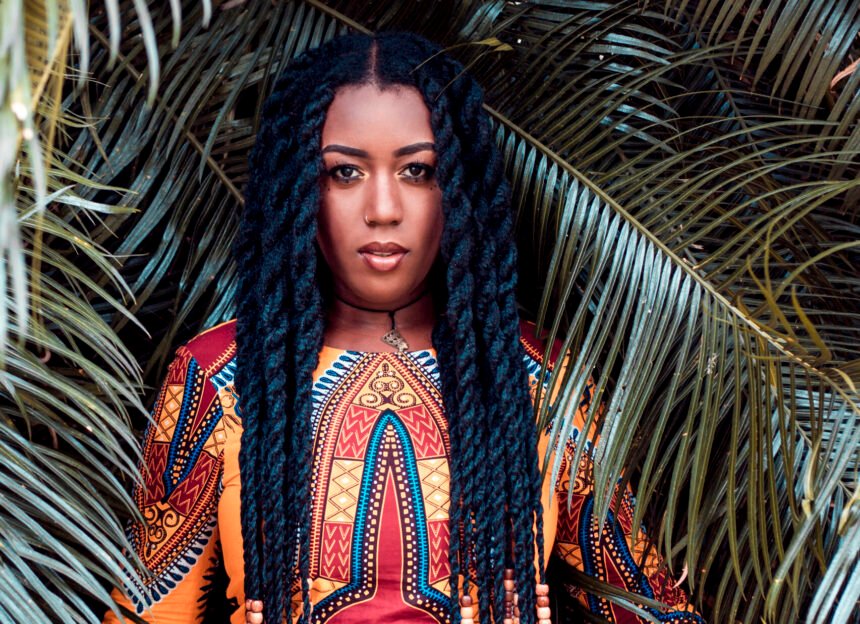
There is something intriguing about reggae artist Yeza. When she speaks, she chooses her words with intention. For Yeza, music was never just a career aspiration. It was a seed planted early and watered slowly over years of living, watching and absorbing the world around her.
- A Sound Built in the Yard
- [Additional Read: Grammy-Nominated Lila Iké is the Future of Reggae]
- Star of the East
- It feels like an honest introduction to my world, my influences and my vision for the future, she says.
- Breaking the Box
- The wall I continue to break down is the separation of mind, body and soul, she explains. I am deeply interested in mental expansion. I am comfortable with my body and my sensuality. I am also committed to spiritual growth. To me, all three belong together.
- Despite all of that, I believe women are making incredible progress. More women are creating independent careers, building their own audiences and refusing to compromise who they are in order to succeed. I think the future of reggae and dancehall will be stronger because of that, Yeza says.
- Sanctuary and Solitude
- Creativity requires space, she says. If I am constantly consuming noise and chaos, eventually the well runs dry. Solitude allows me to refill it.
- Instead of asking ‘What is wrong with me? we can ask ‘Does this actually suit me? she offers. Women deserve to feel worthy exactly as they are.
“My mom would leave those channels running in the background while we were getting ready for school,” she recalls, describing childhood mornings filled with the performances of Destiny’s Child and Michael Jackson flickering across the television screen. She did not know then what genre she would eventually choose, or whether an island girl from the rural side of Jamaica could realistically build a life in music. But something took root anyway.
That something eventually became a sound she calls Future Roots, with a persona living inside it called Rude Girl Roots. It is a blend of roots consciousness with the attitude and edge of Jamaican street culture, and both feel like accurate descriptions of who she is: simultaneously rooted in tradition and pushing against every boundary that tradition tries to impose on women like her.
A Sound Built in the Yard
Growing up in Star of the East Lane, Jamaica, Yeza was surrounded by sound system culture long before she could name it. Back-to-school treats, summer dances, street gatherings and Sunday afternoons filled with the voices of Alton Ellis, Peter Tosh, Marcia Griffiths and Everton Blender became the texture of her early life. She did not always know the artists by name, but the music embedded itself into her regardless.
“Those records helped shape the roots aspect of my sound,” she says. “They exposed me to the culture, values and messages carried through reggae music.” At the same time, the energy of street dance culture gave her something else, a more rebellious, kinetic edge that would later become just as central to her artistry as the conscious reggae she grew up hearing on Sundays.
The result is an artist who refuses to be only one thing. Yeza’s influences range from Bounty Killer (“‘Look Into My Eyes’ on the Bug Riddim is one of the greatest dancehall songs ever written”) to Anita Baker’s deep soulfulness, from Ray Darwin’s “People’s Choice” to the genre-spanning genius of Lauryn Hill. What connects all of them, in her view, is their ability to stand for something larger than themselves. That is the legacy she is building toward.

[Additional Read: Grammy-Nominated Lila Iké is the Future of Reggae]
Star of the East
Her debut album, fittingly titled “Star of the East” and produced by the legendary Rorystonelove, marks the first major chapter of that legacy. Predominantly reggae in its spirit, the project carries a street edge through a handful of tracks rooted in traditional dancehall, a reflection of the Future Roots sound that defines her. For Yeza, it is less about making a commercial statement and more about being her authentic self. It blends old-school influences with original roots and dub sounds, and she speaks about it with the pride that comes from knowing a piece of work is genuinely yours.
It feels like an honest introduction to my world, my influences and my vision for the future, she says.


Breaking the Box
Ask Yeza about the challenges facing women in reggae and dancehall, and she does not hesitate. The industry, she says, still insists on compartmentalizing women into boxes. The conscious artist must dress a certain way. The energetic artist must present herself according to a completely different, often hypersexualized set of expectations. Women who exist somewhere in between, as Yeza does, challenge the idea of neatly labeled female artists.
The wall I continue to break down is the separation of mind, body and soul, she explains. I am deeply interested in mental expansion. I am comfortable with my body and my sensuality. I am also committed to spiritual growth. To me, all three belong together.
She is candid about the broader structural reasons women remain underrepresented in Caribbean music. Caregiving responsibilities, safety concerns within male-dominated spaces and the absence of support systems all play a role. She does not romanticize the challenges, but she also does not dwell on them. Her focus is on what is shifting.
Despite all of that, I believe women are making incredible progress. More women are creating independent careers, building their own audiences and refusing to compromise who they are in order to succeed. I think the future of reggae and dancehall will be stronger because of that, Yeza says.
On the question of whether female artists feel pressure to conform to certain images, she is equally direct. The pressure is real. She just does not personally feel bound by it. “My primary obligation is to my authenticity,” she says. “The voice that guides my decisions is not the voice of public expectation.”

Sanctuary and Solitude
For someone navigating an industry that can consume you, Yeza has built her life around deliberate stillness. Home is Star of the East Lane, surrounded by mango trees and an apple tree outside her window. Her room is full of snake plants. She cooks, reads, meditates and protects her serenity fiercely.
Creativity requires space, she says. If I am constantly consuming noise and chaos, eventually the well runs dry. Solitude allows me to refill it.
It is from that stillness that her most personal lyrics emerge, including those on her song “Organic,” where she celebrates natural beauty and self-acceptance with a directness that feels rare. She talks openly about her own body, about rejecting the idea that women must constantly chase an ever-shifting standard of perfection and about the systems that profit from keeping women in a cycle of perceived inadequacy.
Instead of asking ‘What is wrong with me? we can ask ‘Does this actually suit me? she offers. Women deserve to feel worthy exactly as they are.
It is a simple reframe, but coming from Yeza, it lands with the weight of someone who has genuinely lived it. She is not performing liberation. She is practicing it, one song, on mornings at home surrounded by fresh fruit and earthiness, and one deliberate choice at a time.
As she prepares to take her sound across Europe on her upcoming tour, Yeza continues to move with the same intention that has defined her journey so far. For an artist whose entire philosophy is rooted in authenticity, every step forward feels like a natural extension of who she already is no performance, just presence.