
This Caribbean American Heritage Month, Caribbean Collective celebrates a woman who did more than advocate for representation.
- I’m an engineer, so I’m used to being the only woman.
- [Additional Read: The 2026 Power List: 20 of the World’s Most Powerful Caribbean Women ]
- Caribbean people in America have to become their own voice.
- We’re not just singers and dancers and athletes. We also have patents and researchers.
- If you weren’t in the room, Haiti would not have been on that list of countries because nobody would have spoken.
- Now is not the time to be invisible.
- We have to make sure we have a seat at the table.
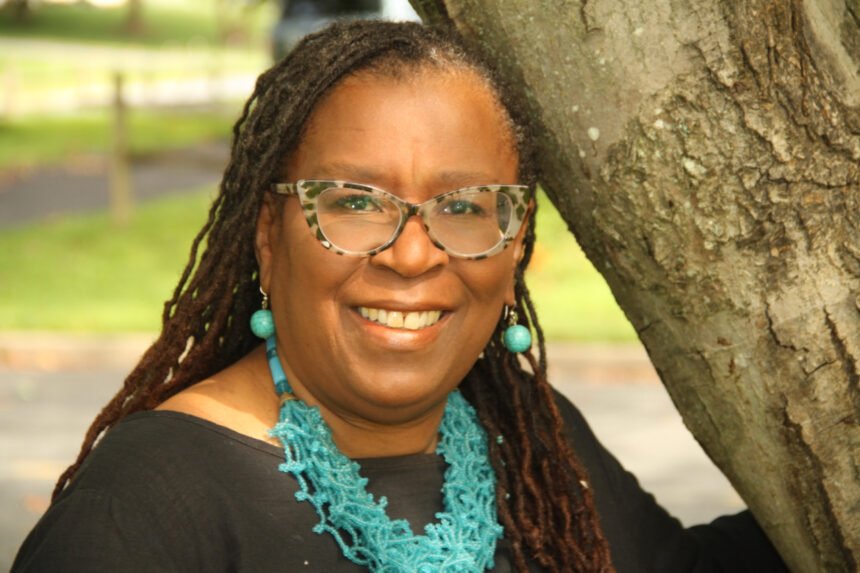
Engineer. Futurist. Playwright. Institution Builder.
Dr. Claire A. Nelson has spent a lifetime ensuring Caribbean voices are not only heard but recognized as part of American history. She built the infrastructure to sustain it. On June 5, 2006, President George W. Bush issued the first presidential proclamation designating June as National Caribbean American Heritage Month. For the first time, Caribbean Americans had official national recognition. The observance celebrates deep ties between the Caribbean and the United States, from Alexander Hamilton’s Caribbean origins to the diaspora’s influence on American culture, politics and trade.
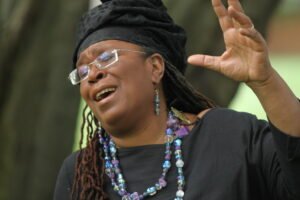
The Only Woman in the Room
Frequently the only Black woman in her classrooms and professional circles, Dr. Claire A. Nelson learned early that standing alone did not mean standing powerless.
I’m an engineer, so I’m used to being the only woman.
Born in Kingston, Jamaica, Nelson arrived in the United States at age 18 with ambition, discipline and a global perspective shaped by the Caribbean. Her academic journey began with a year at the University of the West Indies before she continued her studies in the United States. At the State University of New York at Buffalo, she earned bachelor’s and master’s degrees in industrial engineering. She later completed her doctorate in engineering management at George Washington University, becoming the first Jamaican woman to earn a doctorate in an engineering discipline. Nelson was never content to simply succeed within institutions. She built them.
[Additional Read: The 2026 Power List: 20 of the World’s Most Powerful Caribbean Women ]
A Cultural Architect in the Making
Long before founding national organizations, Nelson was already creating spaces where Caribbean identity could flourish.
At SUNY Buffalo, she founded the first Caribbean Student Association while also leading campus dance and singing groups.
At Purdue University, she organized the first Caribbean festival in West Lafayette, Indiana, flying in performers and sourcing authentic foods, from conch and saltfish to black cake and patties. For Caribbean students far from home, it became something deeper than a festival. It belonged. Nelson was not just celebrating culture. She was constructing platforms where it could survive and evolve.
Storytelling Through Art
After moving to Washington, D.C., in 1981, Nelson’s creativity took a theatrical turn. She founded dance groups and wrote plays exploring migration, identity and diaspora life. Her comedy “Resident Alien,” a humorous yet poignant look at the immigrant experience in the 1980s, enjoyed successful runs in Jamaica and Barbados. Through satire and laughter, Nelson tackled complex truths about migration and belonging, using art as a tool of cultural reflection. Her greatest stage would soon become Washington.
Building Power in Washington
Caribbean people in America have to become their own voice.
In 1993, Nelson founded the Institute of Caribbean Studies in Washington, D.C. What began as a small advocacy effort has grown into a leading voice for Caribbean American policy and leadership development. As founding president, Nelson positioned ICS as both a think tank and a movement builder.
Its initiatives include:
- The annual Caribbean American Legislative Forum on Capitol Hill
- White House Caribbean American Community Briefings, established in 1999
- Invest Caribbean business conferences
- The Caribbean American Heritage Awards
Through these initiatives, ICS has connected diaspora leaders, policymakers, entrepreneurs and scholars across the United States and the Caribbean.
Redefining Caribbean Excellence
The Caribbean American Heritage Awards were designed to challenge narrow perceptions of Caribbean identity. For Nelson, the narrative of Caribbean success had long been confined to sports and entertainment. She wanted something bigger.
We’re not just singers and dancers and athletes. We also have patents and researchers.
Today, the awards celebrate pioneering surgeons, scientists with transformative patents, entrepreneurs and innovators reshaping industries.
The message is clear: Caribbean achievement extends far beyond the stage.
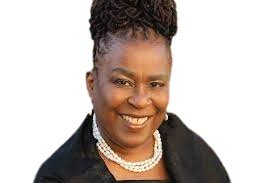
Making History Official
Nelson’s most transformative accomplishment came through national recognition. In the late 1990s, she began advocating for a federally recognized Caribbean American Heritage Month. The campaign required strategic coalition building across Congress and persistent advocacy in Washington.
If you weren’t in the room, Haiti would not have been on that list of countries because nobody would have spoken.
The resolution passed the House of Representatives in 2005 and the Senate in February 2006, sponsored by Sen. Chuck Schumer.
A Futurist Thinking Beyond the Present
Recognition alone was never Nelson’s end goal. She has long focused on the future. A Forbes-recognized top female futurist, Nelson leads The Futures Forum, where she studies emerging global trends shaping society.
Her work spans fields including:
- Artificial intelligence
- Space policy
- Ocean sustainability
- The blue economy
- Climate resilience
Through initiatives such as Ignite Caribbean, which honors leaders under 30, Nelson is cultivating the next generation of diaspora leadership.
Now is not the time to be invisible.
For Nelson, visibility must translate into influence. And influence must translate into lasting institutions.
A Legacy That Endures
Few leaders manage to bridge engineering, policy, culture and futurism in a single lifetime. Dr. Claire A. Nelson is one of them. Her work helped transform Caribbean American recognition from advocacy into institutional permanence.
For Caribbean women and young leaders across the globe, her story sends a clear message:
Build boldly. Organize strategically. Lead unapologetically.
We have to make sure we have a seat at the table.
Learn More:
Institute of Caribbean Studies
Explore official resources on National Caribbean American Heritage Month.