
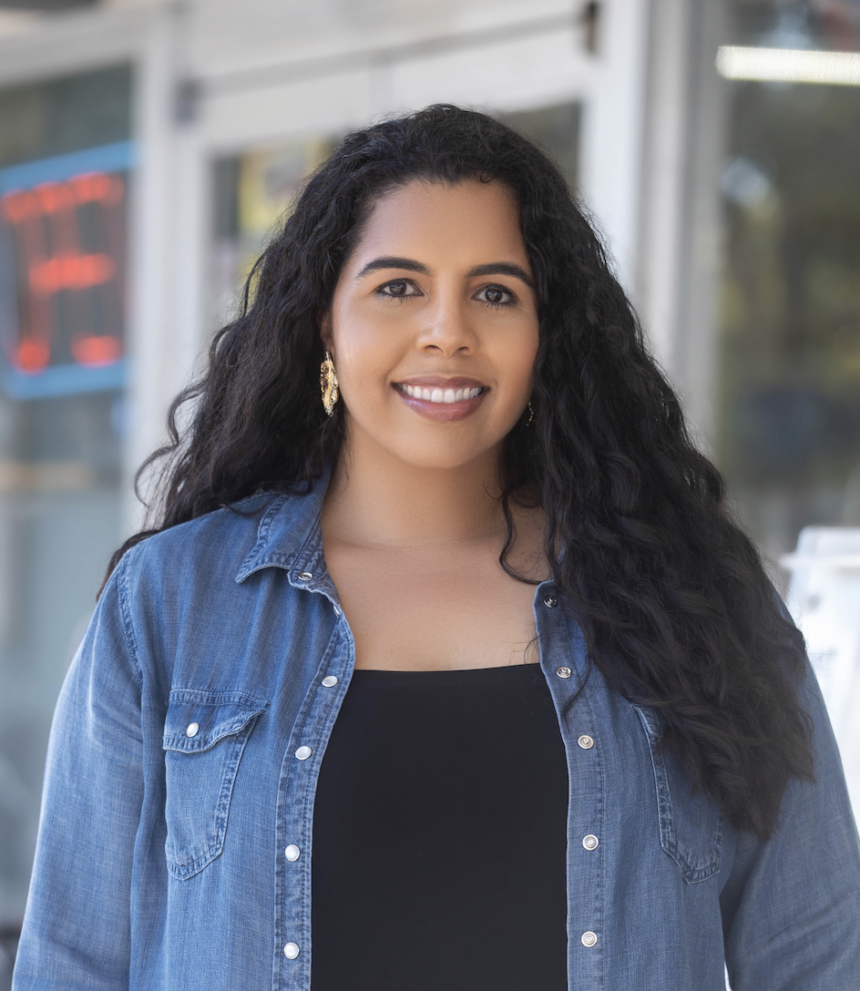
For journalist and author Amaris Castillo, the bodega was never just a corner store.
- A Decade in the Making
- I realized then that my parents were both in their 60s now, and nearing retirement, Castillo said. I thought to myself, ‘If I don’t write this book now, I will regret it for the rest of my life.
- I am grateful for every single person who shared their story with me. It was one of the biggest honors.
- More Than a Corner Store
- Bodegas are typically small but mighty, Castillo said. They have long been places that function as local gathering spots.
- Finding Beauty in the Ordinary
- There is beauty in the ordinary moments of daily life, Castillo said. A visit to the bodega may feel mundane to some. But I hope this book shows that it’s far from mundane. There is so much life, and so many stories, in the bodega. You just have to pay attention.
- [Additional Read: She Carried Haiti to Spain and Built a Luxury Brand in Both Hands ]
- Roots in Crown Heights
- I am first and foremost interested in the diasporic life, and of the straddling of cultures that occurs when you were born in the United States to parents born elsewhere, she said.
- Pushing Publishing Forward
- I’d love to see us championed with greater intensity in the spaces we never step foot in, such as in acquisitions meetings, which can feel very high-stakes, she said.
- Writing Her Parents’ Story
- I have always appreciated my parents, but it made me appreciate them even more to find out more about their lives before they had me, she said.
- Advice for Aspiring Authors
- My path to publishing ‘Bodega Stories’ was a long, winding road, Castillo said. Every step you take should work towards your goal.
- A Living Record of Culture
- We are not a monolith, she said. But my hope is that ‘Bodega Stories’ joins the conversation of other books that preserve parts of our culture.
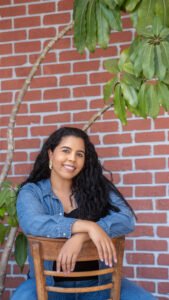
It was classroom, a stage and most importantly, a second home built by her parents over two decades of hard work in St. Peterburg, Florida. That home is now the subject of her debut book, “Bodega Stories,” a collection that turns the everyday rhythms of a Latino-owned market into a lasting piece of literature. Castillo sat down with Caribbean Collective Magazine Latinas to talk about the long road to publication, the people who inspired her and what she hopes readers carry with them after they turn the final page.
A Decade in the Making
The origins of “Bodega Stories” stretch back more than 10 years, to a multimedia project Castillo started under the same name. She eventually put the project on hold as life changed around her, but the idea of turning it into a book never fully left her mind. It took an editor from the University Press of Florida reaching out, along with a personal reckoning, to finally set her on the path to writing it.
I realized then that my parents were both in their 60s now, and nearing retirement, Castillo said. I thought to myself, ‘If I don’t write this book now, I will regret it for the rest of my life.
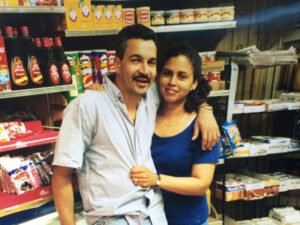
That urgency is rooted in family. Orlando Latin Market, the bodega at the heart of the book, represents two decades of sacrifice by her parents. Castillo said the store has become the anchor of a tight-knit community, and she always knew its employees and customers belonged in her pages. The only question was who would agree to share their story.
I am grateful for every single person who shared their story with me. It was one of the biggest honors.
More Than a Corner Store
Castillo hopes readers walk away from “Bodega Stories” with a deeper understanding of what bodegas mean to the communities that rely on them. They are small in size but outsized in influence, she said, functioning as informal town squares where people find familiar foods and, just as often, find each other.
At Orlando Latin Market specifically, that sense of community shows up in small but meaningful ways, like a bulletin board just outside the store where neighbors post apartment listings or job openings.
Bodegas are typically small but mighty, Castillo said. They have long been places that function as local gathering spots.
Finding Beauty in the Ordinary
A former newspaper reporter, Castillo has long been drawn to the quiet, human moments that others might overlook. She traces that instinct back to childhood, watching her mother and aunts talk at the kitchen table during holiday gatherings and observing her father play famously loud games of dominoes with the men from his neighborhood during summers in Santo Domingo.
That same attentiveness shaped her approach to “Bodega Stories.”
There is beauty in the ordinary moments of daily life, Castillo said. A visit to the bodega may feel mundane to some. But I hope this book shows that it’s far from mundane. There is so much life, and so many stories, in the bodega. You just have to pay attention.
[Additional Read: She Carried Haiti to Spain and Built a Luxury Brand in Both Hands ]
Roots in Crown Heights
Castillo was born in the Crown Heights neighborhood of Brooklyn and raised in a building she described as very Dominican. Sundays meant worship in Spanish. At home, the television stayed on Univision, and the soundtrack of her childhood was merengue and bachata playing alongside plates of mangú.
Many of her classmates also came from the Caribbean diaspora, an experience that continues to shape both her identity and the stories she chooses to tell.
I am first and foremost interested in the diasporic life, and of the straddling of cultures that occurs when you were born in the United States to parents born elsewhere, she said.
Pushing Publishing Forward
Castillo acknowledged that representation for Latina authors and Latino stories in publishing has grown but still has a long way to go. She pointed to grassroots organizations already doing that work, including Latinx in Publishing, the Dominican Writers Association, Las Musas, Periplus Collective and We Need Diverse Books.
Still, she wants to see Latina voices carry more weight in spaces that rarely include them.
I’d love to see us championed with greater intensity in the spaces we never step foot in, such as in acquisitions meetings, which can feel very high-stakes, she said.
Writing Her Parents’ Story
Of everything in the book, the chapters about her own parents proved the most personal to write. Castillo said the process gave her a fuller picture of who they were before she came into their lives, including the struggles they faced as bodega workers in New York City.
I have always appreciated my parents, but it made me appreciate them even more to find out more about their lives before they had me, she said.
Advice for Aspiring Authors
Castillo does not hold a Master of Fine Arts, or MFA, degree. Her academic background is in journalism, and she describes herself first as a journalist who learned the craft of storytelling and the publishing industry through mentorships, research and a great deal of reading. She wants young Latinas and aspiring writers to know that there is no single blueprint for becoming an author.
She often thinks of Julia Alvarez, one of her favorite authors, who published her acclaimed novel “In the Time of the Butterflies” at 41.
My path to publishing ‘Bodega Stories’ was a long, winding road, Castillo said. Every step you take should work towards your goal.
A Living Record of Culture
Castillo views “Bodega Stories” as a written record of one bodega, one family and one community, and a small contribution to the larger project of preserving culture across generations. She is careful to note that the book does not speak for the entire Dominican or Caribbean diaspora, since no single story ever could.
We are not a monolith, she said. But my hope is that ‘Bodega Stories’ joins the conversation of other books that preserve parts of our culture.
Above all, Castillo hopes readers close the book with a new appreciation for the third spaces in their own lives, and for the histories carried by the people around them, including neighbors and grandparents whose stories might otherwise go untold.
As for what comes next, Castillo said she has several book ideas percolating, though she has not yet decided which one will pull her in first. For now, her focus remains on introducing “Bodega Stories” to the world.
Learn more about Amaris Castillo and her work at amariscastillo.com.