
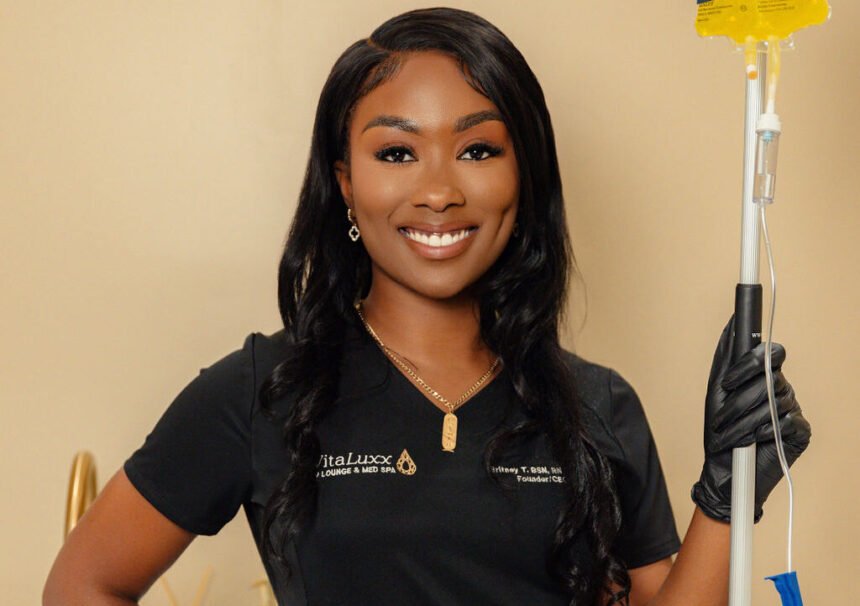
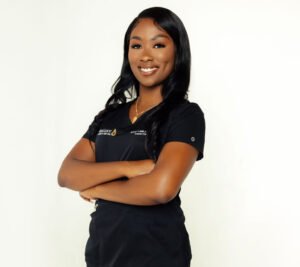
Britney Thompson is many things: a nurse, a wellness entrepreneur, a Netflix personality and a Caribbean woman who has done the necessary work of unlearning the cultural beliefs that no longer serve her. With her wellness brand VitaLuxx, she is building something that feels both personal and communal, a space where women can prioritize their health before crisis forces them to.
- The Making of a Nurse
- [Additonal Read: 6 Steps to Stay Steady During Life Changes: A Practical Guide to Coping with Big Transitions ]
- Rest Is Not a Reward
- Culture and the Permission to Evolve
- We can enjoy our traditional foods while making healthier choices. We can value hard work without glorifying burnout, she says. The goal is to keep the values that serve us while giving ourselves permission to grow beyond the habits that no longer do.
- Wellness Without the Aesthetic
- Breaking the Silence on Mental Health
- Choosing Yourself Without Guilt
- Sometimes the most powerful thing you can do is pause, think and give yourself permission to choose what is best for you. You deserve rest. You deserve peace. You deserve to pour back into yourself.
- A Queer Caribbean Woman, Publicly and Proudly
- My hope is that future generations of queer Caribbean people can grow up knowing that they do not have to choose between their cultural identity and their authentic selves. They deserve both.
- What the Future Looks Like
- The more women see others prioritizing wellness unapologetically, she says, the more permission they give themselves to do the same.
In this interview, CC Mag talks to Britney about nursing, cultural identity, rest, mental health and what a truly well Caribbean woman looks like in 2026.

The Making of a Nurse
Britney’s path to nursing was never a detour. It was always the destination. “I’ve wanted to be a nurse for as long as I can remember,” she says. “I loved science, especially anatomy and physiology, and I was naturally drawn to helping people.”
What drew her in most was the intimacy of the work. Nurses meet people at their most vulnerable, when they are scared, sick, overwhelmed or uncertain, and they have the rare opportunity to provide care, comfort and education all at once. “Becoming a nurse remains one of my proudest accomplishments,” she says. “It allowed me to turn my passion into a profession while making a meaningful impact.”
After putting herself through nursing school, she was intentional about building a career that was both sustainable and fulfilling. That intention eventually expanded beyond the hospital floor and into the broader conversation about how women, particularly Caribbean women, take care of themselves.
[Additonal Read: 6 Steps to Stay Steady During Life Changes: A Practical Guide to Coping with Big Transitions ]
Rest Is Not a Reward
Ask any Caribbean woman raised in a traditional household and she will tell you the same thing: productivity was the language of love and discipline. Britney grew up in that environment too. Saturdays were for cleaning and getting things done. Sundays were for church. There was little room in that rhythm for rest, and even less language for it.
“Those values taught me responsibility,” she reflects, “but they also created a mindset where I felt guilty resting.” She carried that guilt into her career and her business, feeling like she always had to be working, accomplishing or reaching toward the next goal.
Over time, she began to challenge that belief. “Rest is not laziness. Rest is maintenance. Rest is preparation.” She is clear that she is not asking Caribbean women to abandon the discipline that shaped them. She is asking them to expand their definition of strength. “Strength isn’t just about how much we can carry. It’s also about knowing when to put something down.”
Culture and the Permission to Evolve
One of the most honest things Britney says in our conversation is that honoring your culture and evolving within it are not mutually exclusive. Caribbean families have built entire legacies on hard work, sacrifice and putting family first. Those values are real and they matter. But somewhere along the way, many women absorbed habits alongside those values, habits around overworking, suppressing emotional needs and treating self-care as indulgence.
We can enjoy our traditional foods while making healthier choices. We can value hard work without glorifying burnout, she says. The goal is to keep the values that serve us while giving ourselves permission to grow beyond the habits that no longer do.
It is a generous framing, one that does not ask women to reject where they come from but rather to sift through it thoughtfully.
Wellness Without the Aesthetic
Britney has complicated feelings about how wellness gets packaged on social media, and she is refreshingly honest about it. “I’ve actually started to dislike the idea that wellness needs to be aesthetic,” she says. She has been there herself, getting caught up in the perfectly organized routines and the beautifully staged moments that populate wellness content online.
“True wellness is about doing what works for you, not what looks good online.” She encourages women to stop measuring their real lives against someone else’s highlight reel and to build habits that genuinely fit their actual circumstances.
For women with demanding schedules and family responsibilities, she keeps the advice grounded. Drink more water. Take a daily walk. Schedule routine healthcare visits. Spend a few quiet moments in prayer or reflection. “Wellness doesn’t have to be expensive or time-consuming,” she says.
This philosophy is also what drove her to create VitaLuxx. “I wanted to create a space where people can feel better, live better and prioritize wellness before reaching a point of illness or burnout.” Proactive care, not reactive crisis management, is the foundation.

Breaking the Silence on Mental Health
In Caribbean households, mental health conversations have historically been shut down before they start. Britney has stopped tiptoeing around that reality. “I’m a little more direct about it now,” she says. Her nursing background gives her the language to reframe the conversation in terms that are harder to dismiss. “Mental health conditions are real medical conditions, just like diabetes, high blood pressure or asthma.”
She approaches these conversations with compassion rather than judgment, always. The goal is not to shame anyone but to open a door that too many families have kept closed for too long. “Mental health deserves the same attention, respect and care as physical health.”
Choosing Yourself Without Guilt
Perhaps the most personal thread running through Britney’s work is this: the radical act of choosing yourself. She is honest that it is something she has struggled with and continues to work through. “Choosing yourself is not selfish. It’s necessary.”
She talks about learning to say no, communicating boundaries even when it is uncomfortable and recognizing the people-pleasing tendencies that so many Caribbean women carry. When she started honoring her own needs, she says, everything shifted. Her relationships improved. Her stress decreased. The way people treated her changed because she had started showing them how she expected to be treated.
Sometimes the most powerful thing you can do is pause, think and give yourself permission to choose what is best for you. You deserve rest. You deserve peace. You deserve to pour back into yourself.
A Queer Caribbean Woman, Publicly and Proudly
When Britney and her partner AJ appeared on Netflix’s Ultimatum: Queer Love, it marked a new kind of visibility for queer Caribbean women. Her family’s response was supportive, though their concern was less about the relationship and more about the vulnerability of going public. By the time they joined the show, AJ had already been part of the family for about five years.
Britney’s hopes for the broader Caribbean community are clear and specific. “I would love to see greater acceptance, understanding and freedom of expression throughout the Caribbean.” She speaks about places where queer people still feel pressured to hide who they are, to avoid public displays of affection and to minimize themselves just to feel safe.
My hope is that future generations of queer Caribbean people can grow up knowing that they do not have to choose between their cultural identity and their authentic selves. They deserve both.
What the Future Looks Like
A wellness-centered future for Caribbean women, is Britney’s vision and it’s not one that erases cultural identity. It is one that expands it. It looks like women prioritizing preventative healthcare, mental health, movement and rest without guilt. It looks like resilience being celebrated alongside softness and healing.
The more women see others prioritizing wellness unapologetically, she says, the more permission they give themselves to do the same.
Britney is living proof that you can carry your culture with pride and still put it down when you need to. That is not weakness. That is wisdom.