
There is a word Janessa Smith returns to often, not just because it became the name of her business, but because it captures something she believes Caribbean women have rarely been given permission to find.
- [Additional Read: Why Healthy Self-Talk Is Key to Breaking Generational Curses in Caribbean Communities]
- The Vision Behind the Center
- As we looked around our communities, we saw a clear need for more mental health awareness, more culturally responsive providers, and more spaces where people could feel understood without having to explain every part of their cultural experience, she says.
- Faith plays a significant role in many Black and Caribbean communities, she explains. Unfortunately, mental health and faith are often treated as though they are in opposition to one another, when we believe they can work beautifully together.
- Married, in Business and Thriving
- If you’re naturally gifted in operations, finances or logistics, own that role. If you’re more creative, relationship-focused or marketing-minded, lean into those strengths. When both people are operating in their zone of genius, it creates less frustration and allows you to genuinely appreciate and trust your partner’s contributions.
- That practice helps us stay aligned without feeling like we have to talk about work every day of the week. It creates more freedom and balance in our marriage.
- What Keeps Caribbean Women From the Help They Need
- In many Caribbean households, there is often an unspoken belief that personal struggles should stay within the family. We’ve been taught that ‘what happens in this house stays in this house,’ and that can make reaching out for help feel uncomfortable or even disloyal.
- Seeking help is not weakness. It’s wisdom. We don’t hesitate to see a doctor when we’re physically sick. Mental and emotional health deserve the same level of care and attention. God is absolutely capable of healing, and he often works through people, resources and professional support to bring that healing about.
- Breeze: Wellness That Looks Like Home
- It was important to me that people see wellness reflected through a Caribbean lens. Too often wellness is presented in ways that don’t feel connected to our experiences. I wanted readers to know that wellness belongs to us, too. It can sound like our music, look like our communities and reflect our stories.
- Living What She Teaches
- I’ve had to learn the importance of rest, boundaries and paying attention to what my body actually needs.
- Learning what to say yes to and what to say no to has been one of the most important wellness practices in this season.
- The more we normalize these conversations, the more likely we are to create communities where seeking support is viewed as strength rather than weakness.
- Others may want support but don’t see providers who understand their cultural experiences, family dynamics or faith backgrounds.
- What She Wants Caribbean Women to Know
- Healing is available to you, too. Just because something wasn’t discussed in previous generations doesn’t mean it isn’t valuable. Every generation has the opportunity to learn, grow and make different choices.
- You deserve a space where you can process your experiences, ask hard questions and receive support without judgment. You don’t have to carry everything alone.
Sanctuary. A place to lay down what you’ve been carrying.
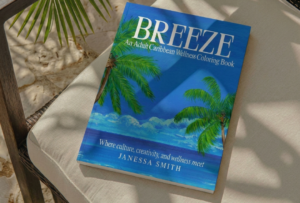
As co-founder of Sanctuary Wellness Center, author of “Breeze: Adult Caribbean Wellness Coloring Book,” and a member of the executive leadership team for the Caribbean Mental Health Summit, Smith has spent years building infrastructure around a truth that too many in the community have been slow to accept. Mental health care is not a betrayal of culture or faith. For Caribbean women especially, it may be the bravest thing they ever choose for themselves.
We sat down with Smith to talk about what it took to build the center, what it means to be in business with a spouse, and why she believes healing has always belonged to Caribbean people.
[Additional Read: Why Healthy Self-Talk Is Key to Breaking Generational Curses in Caribbean Communities]
The Vision Behind the Center
Sanctuary Wellness Center was not born out of abstract ambition. It grew from what Smith and her husband, Diallo, kept witnessing around them.
As we looked around our communities, we saw a clear need for more mental health awareness, more culturally responsive providers, and more spaces where people could feel understood without having to explain every part of their cultural experience, she says.
That last part matters. The exhaustion of constantly contextualizing yourself inside a clinical space is its own barrier to care. The couple wanted to remove it. They also wanted to dismantle another wall: the one separating faith from mental wellness.
Faith plays a significant role in many Black and Caribbean communities, she explains. Unfortunately, mental health and faith are often treated as though they are in opposition to one another, when we believe they can work beautifully together.
Sanctuary was designed to hold both.

Married, in Business and Thriving
Running a wellness center with a spouse sounds like either a dream or a recipe for disaster, depending on who you ask. For Smith, it has been genuinely rewarding, and she credits much of that to one practical principle: staying in your lane.
If you’re naturally gifted in operations, finances or logistics, own that role. If you’re more creative, relationship-focused or marketing-minded, lean into those strengths. When both people are operating in their zone of genius, it creates less frustration and allows you to genuinely appreciate and trust your partner’s contributions.
Structure also plays a role. She and Diallo hold a standing business meeting every Saturday to review goals, priorities and upcoming tasks. It sounds simple, but it protects something essential.
That practice helps us stay aligned without feeling like we have to talk about work every day of the week. It creates more freedom and balance in our marriage.
What Keeps Caribbean Women From the Help They Need
When it comes to the women Sanctuary Wellness Center serves most, Smith does not flinch from naming the barriers plainly. Shame sits at the top of the list.
In many Caribbean households, there is often an unspoken belief that personal struggles should stay within the family. We’ve been taught that ‘what happens in this house stays in this house,’ and that can make reaching out for help feel uncomfortable or even disloyal.
Layered beneath that is a particular misreading of faith. Many women have internalized the idea that needing support is a signal that their belief is not strong enough. Smith pushes back on that directly.
Seeking help is not weakness. It’s wisdom. We don’t hesitate to see a doctor when we’re physically sick. Mental and emotional health deserve the same level of care and attention. God is absolutely capable of healing, and he often works through people, resources and professional support to bring that healing about.
There is also distrust of health care systems, concerns about confidentiality and the cultural conditioning that equates carrying every burden alone with strength. Smith knows this well. She built a center specifically designed to meet women on the other side of all of it.
Breeze: Wellness That Looks Like Home
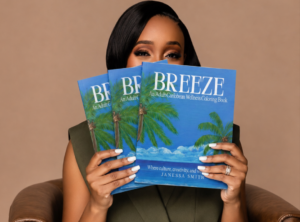
Smith’s newest project is “Breeze: Adult Caribbean Wellness Coloring Book,” a resource as culturally specific as it is therapeutically grounded.

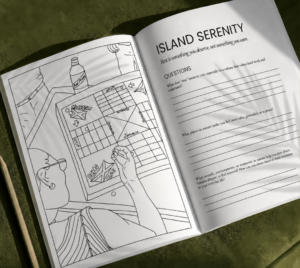
As a Bahamian of Jamaican descent, she wanted to create something that felt familiar. The book features Caribbean landscapes, traditions, foods, music and symbols that many in the diaspora grew up with. Coloring as a calming practice is already well documented, but Smith wanted to pair that accessibility with something deeper.
It was important to me that people see wellness reflected through a Caribbean lens. Too often wellness is presented in ways that don’t feel connected to our experiences. I wanted readers to know that wellness belongs to us, too. It can sound like our music, look like our communities and reflect our stories.
It is a deceptively small object with a significant message: You do not have to leave yourself or your customs at the door to heal.
Living What She Teaches
Smith is currently pursuing her master’s degree in social work, coaching clients, serving in church leadership and building a business. She is the first to admit this is the busiest season of her life, and she is the first to say it has also been the most clarifying.
I’ve had to learn the importance of rest, boundaries and paying attention to what my body actually needs.
Her self-care is not performative. It looks like drinking water, eating well, journaling, napping when she can and staying current with her health appointments. It also looks like one of the hardest skills any high-achieving woman can develop: knowing when to say no.
Learning what to say yes to and what to say no to has been one of the most important wellness practices in this season.
Through her work with the Caribbean Mental Health Summit, Smith sees a shift happening across the region and in diaspora spaces. Younger generations are asking different questions. They are naming trauma, anxiety and grief in ways previous generations rarely did. Conversations around suicide prevention, disaster-related trauma and emotional wellness are reaching communities that once treated silence as the only acceptable response to pain.
The more we normalize these conversations, the more likely we are to create communities where seeking support is viewed as strength rather than weakness.
The gaps she is most urgently working to close are around access, not just access to services, but access to education. Many Caribbean people still do not believe in the power of therapy, can’t visualize what it looks like or how it could benefit them.
Others may want support but don’t see providers who understand their cultural experiences, family dynamics or faith backgrounds.
That is what the Sanctuary Wellness Center is trying to change. We bring together professionals, faith, and services to community members to make mental health information more accessible and more culturally grounded.
What She Wants Caribbean Women to Know
If you are the Caribbean woman who has never once considered therapy because it simply was not something your family did, Smith has a message for you.
Healing is available to you, too. Just because something wasn’t discussed in previous generations doesn’t mean it isn’t valuable. Every generation has the opportunity to learn, grow and make different choices.
She wants you to know that seeking support does not make you weak, broken or faithless. It makes you brave.
You deserve a space where you can process your experiences, ask hard questions and receive support without judgment. You don’t have to carry everything alone.
Five years from now, Smith’s dream is simple enough to say in a single breath and large enough to reshape a region. She wants seeking mental health care to feel as natural as calling a doctor. She wants more culturally responsive providers, more faith communities equipped to support emotional wellness and more Caribbean people receiving care without shame.
Sanctuary, it turns out, is not just a name. It is a promise, and Smith is committed to keeping it.
To learn more about Smith and the work she is doing visit her website.